


Newsroom
-
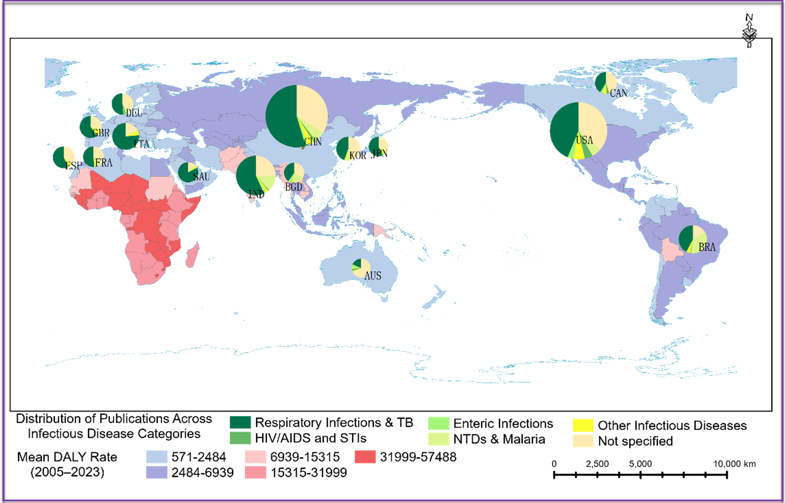 Study Finds Gaps Between AI Research and Infectious Disease Burden
Artificial intelligence is becoming an important tool in infectious disease research, but research attention does not always match the needs of the regions hardest hit. A study by researchers from the Aerospace Information Research Institute of the Chinese Academy of Sciences (AIRCAS), in collaboration with the Chinese Center for Disease Control and Prevention, has found a persistent mismatch between the geographic distribution of the research attention and the burden of infectious diseases. Published in npj Digital Medicine, the study traces how the field has evolved over three decades.
16 Oct 2026 -
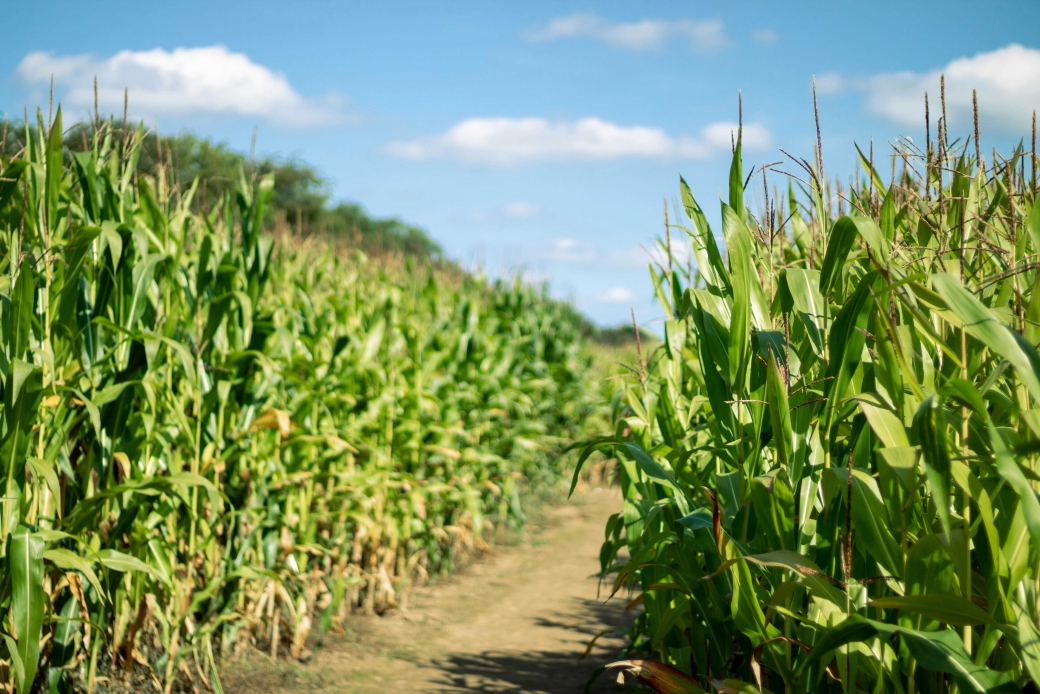 New Dataset Maps Maize Yields Across Northeast China at 10-Meter Resolution
A 10 m resolution maize yield dataset covering Northeast China from 2019 to 2024 has recently been released, providing detailed information on maize yield at the field scale. The dataset was developed by a research team led by Prof. LI Qiangzi and associate researcher DU Xin from the Aerospace Information Research Institute of the Chinese Academy of Sciences (AIRCAS) and is described in a recent study published in Earth System Science Data and the dataset is openly available through Zenodo.
12 Oct 2026 -
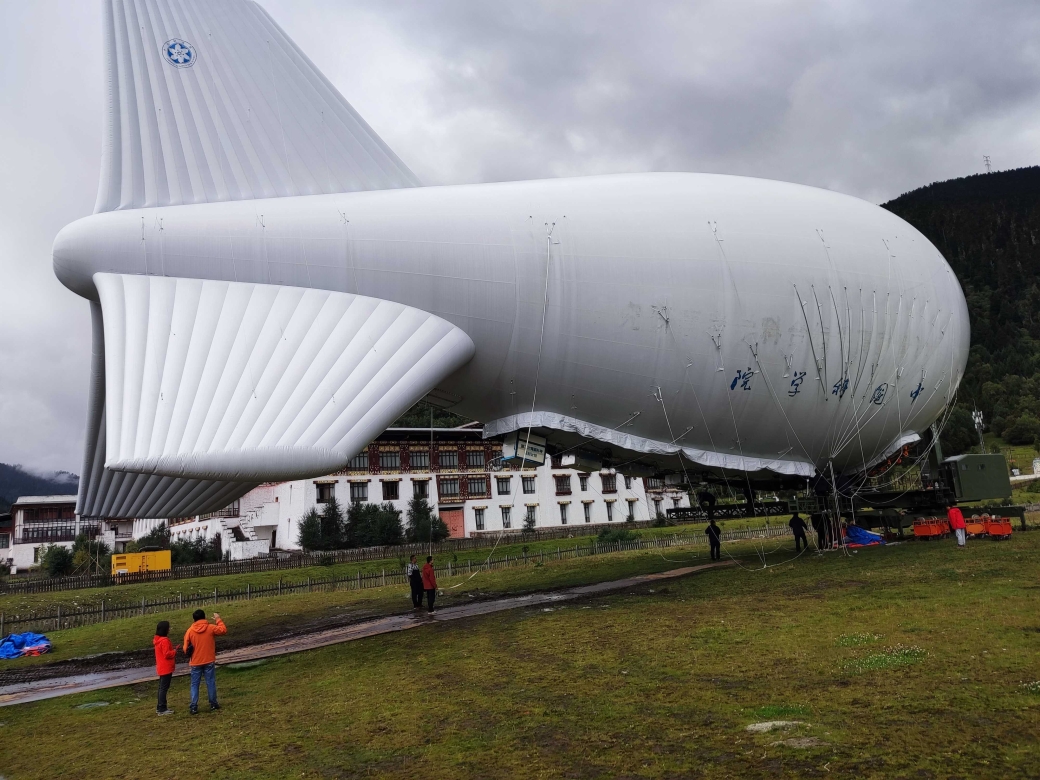 Tethered Balloon Takes Closer Look at Clouds over Qinghai-Xizang Plateau
Scientists have used a tethered balloon to measure cloud droplets, aerosols, and electric fields over the Qinghai-Xizang Plateau, revealing links between aerosol abundance and droplet properties and documenting weak electrical activity in clouds without lightning. The study was published in Advances in Atmospheric Sciences .
30 Sep 2026 -
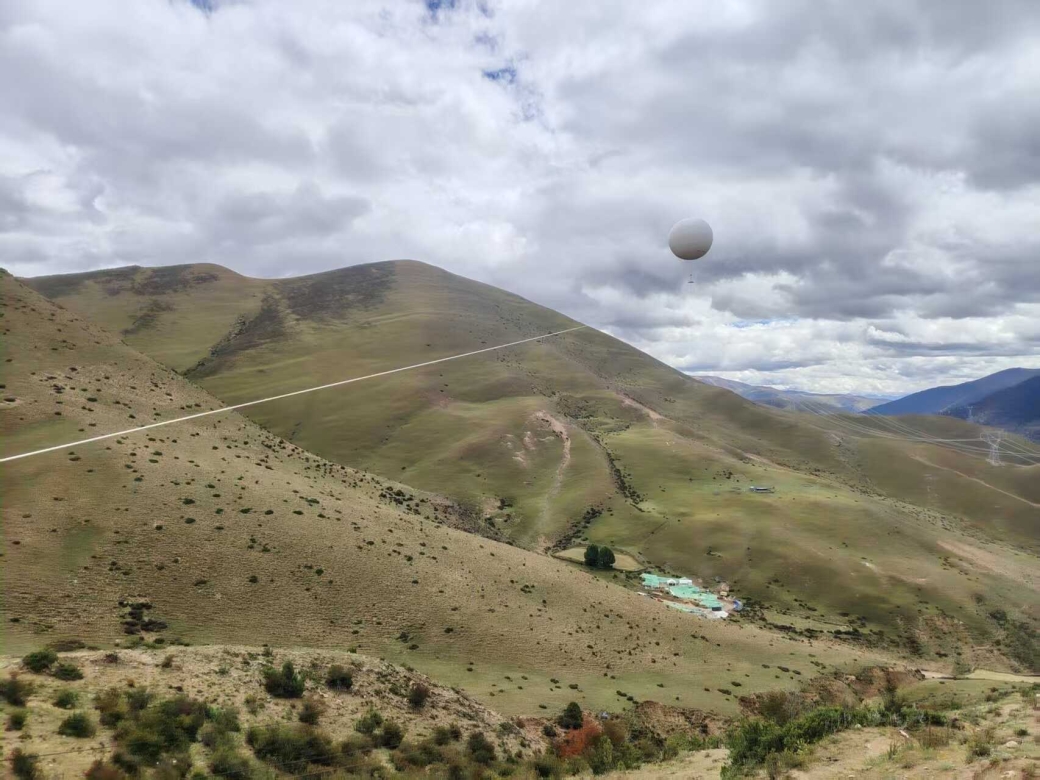 Heavy-Lift Tethered Balloon Carries Power Tower Materials to High-Altitude Ridge in Xizang
A tethered balloon capable of lifting two tonnes successfully completed a trial in Xizang on September 21, carrying two tonnes of transmission tower materials to a steep ridge at an altitude of 4,000 meters. The trial demonstrated a new way to transport heavy construction materials to remote mountain sites while reducing the need for access roads.
30 Sep 2026 -
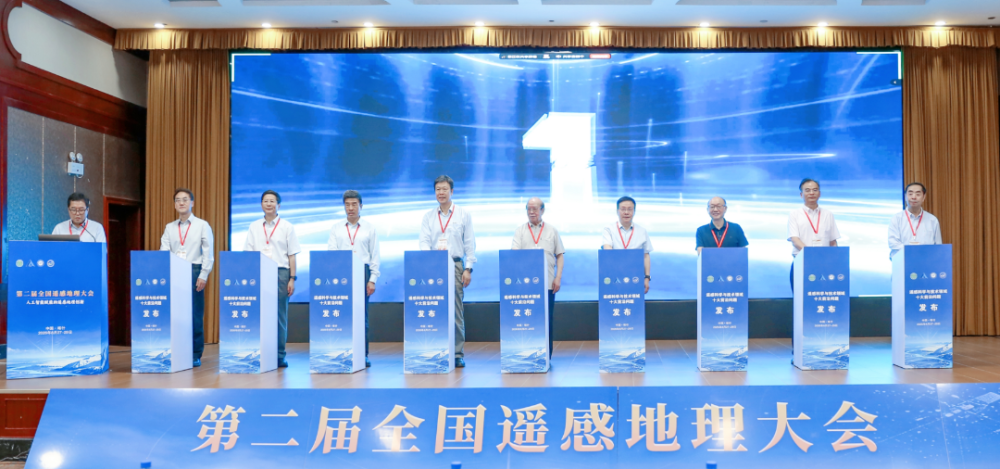 Top 10 Frontier Scientific Challenges in Remote Sensing Unveiled
Ten frontier scientific challenges expected to shape future research and technological development in remote sensing were unveiled on Aug. 28 at the opening ceremony of the Second National Conference on Remote Sensing Geography in Kashgar, northwest China's Xinjiang Uygur Autonomous Region.
03 Sep 2026 -
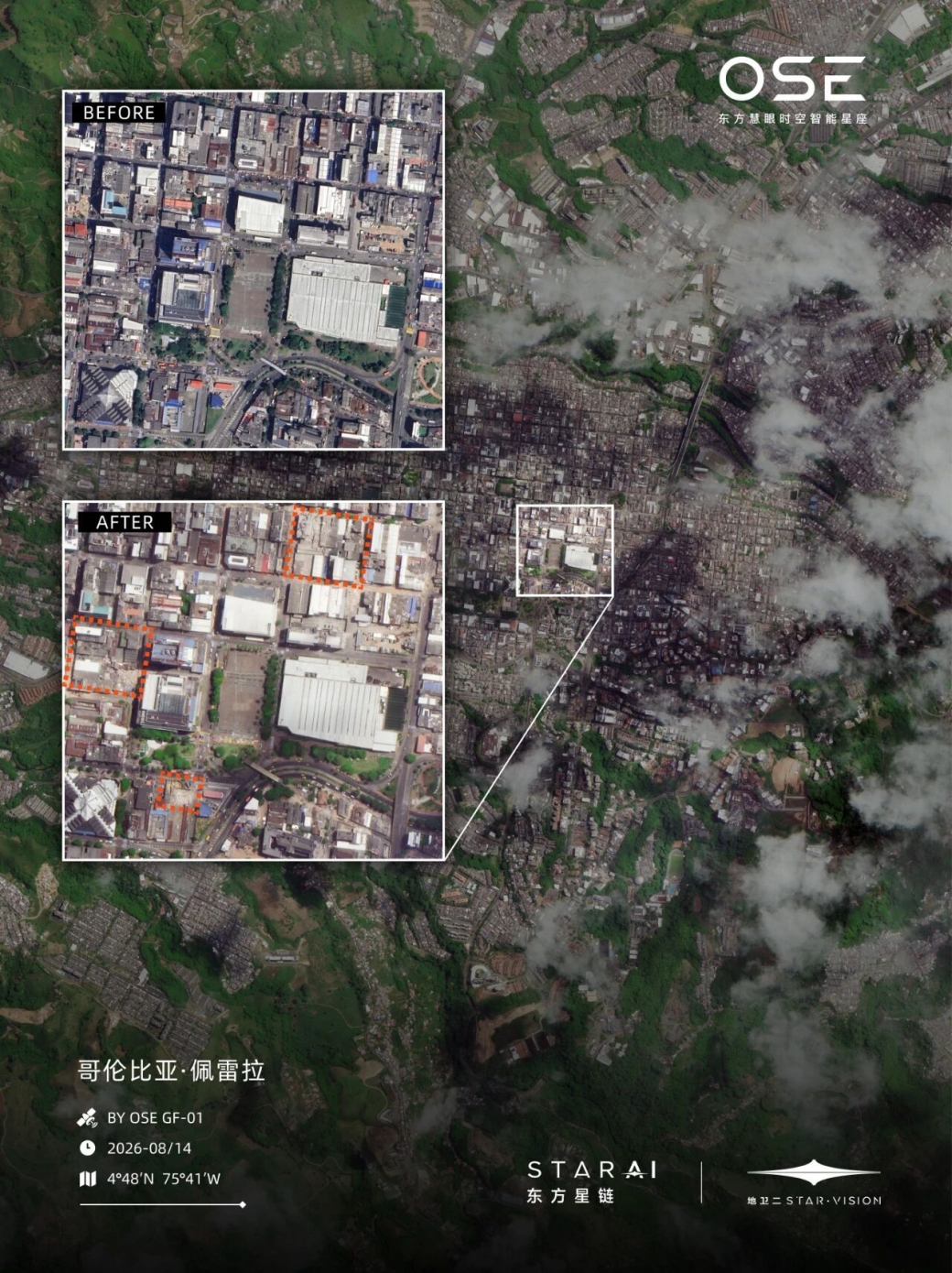 China GEO Mobilizes Satellite Support for Columbia Earthquake Response
A magnitude-7.5 earthquake struck western Colombia on Aug. 10, 2026, causing widespread damage across 32 cities. According to figures released by local authorities on Aug. 15, the death toll had risen to 294, with 3,935 people injured.
18 Aug 2026

