


Newsroom
-
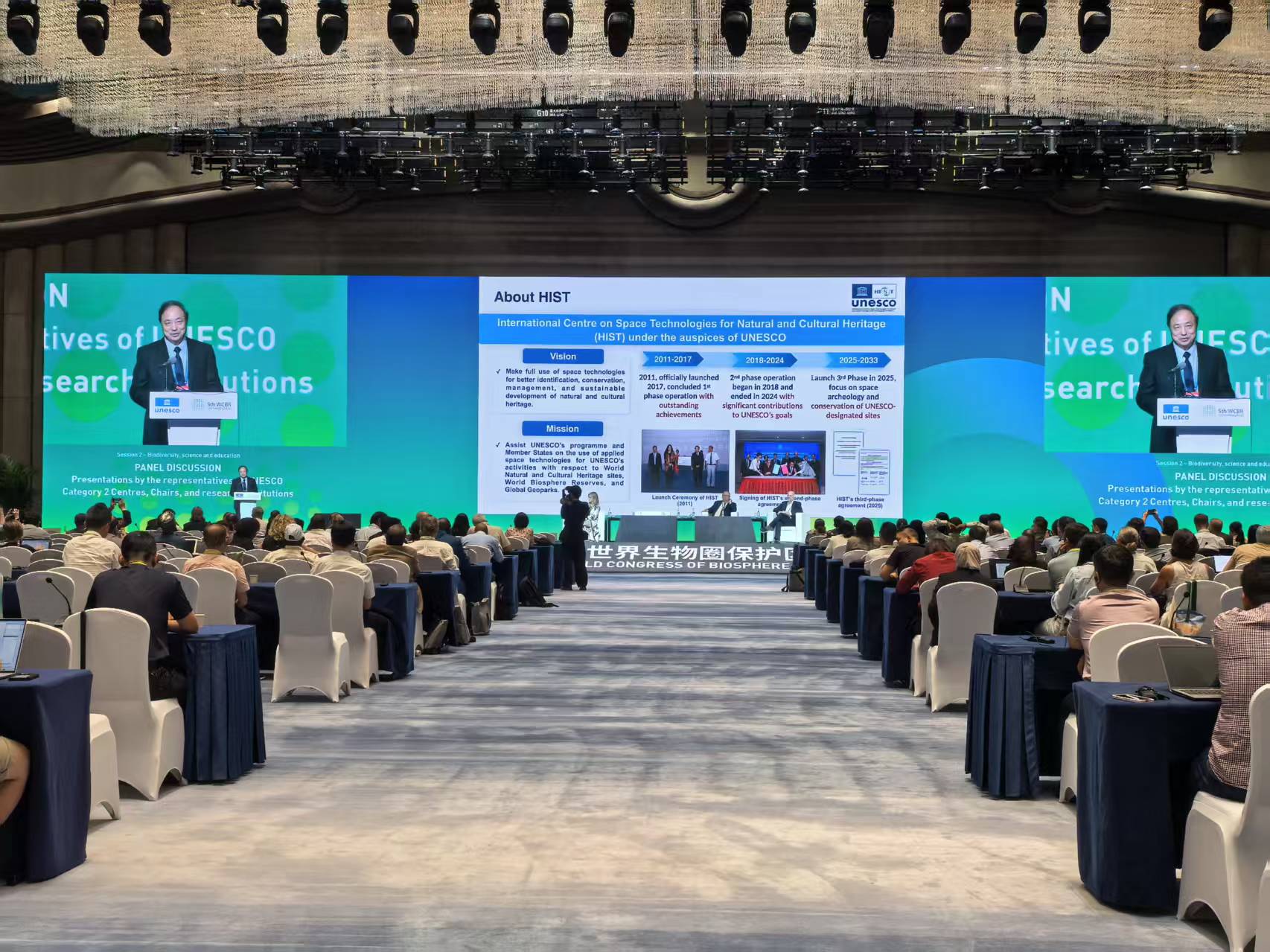 HIST Showcases Space Technologies for Biosphere Reserve Protection at 5th World Congress of Biosphere Reserves in Hangzhou
The International Centre on Space Technologies for Natural and Cultural Heritage (HIST) under the auspices of UNESCO highlighted its achievements in applying space technologies to support the conservation of World Biosphere Reserves at the 5th World Congress of Biosphere Reserves, held in Hangzhou, China, from September 22–25, 2025.
30 Sep 2025 -
 Breaking Limits of Traditional Data: Big Earth Data Provides Precise Diagnosis of a Decade of Global Sustainable Development
Global progress toward the United Nations Sustainable Development Goals (SDGs) has stalled and, in many areas, regressed over the past decade, according to a new report released on October 27, 2025, at the World Science and Technology Development Forum. The Global-Scale Sustainable Development Scientific Monitoring Report (2025): A Decade of Progress through the Lens of Big Earth Data provides a detailed global assessment, revealing that only one of 18 SDG indicators was on track since 2015.
28 Oct 2025 -
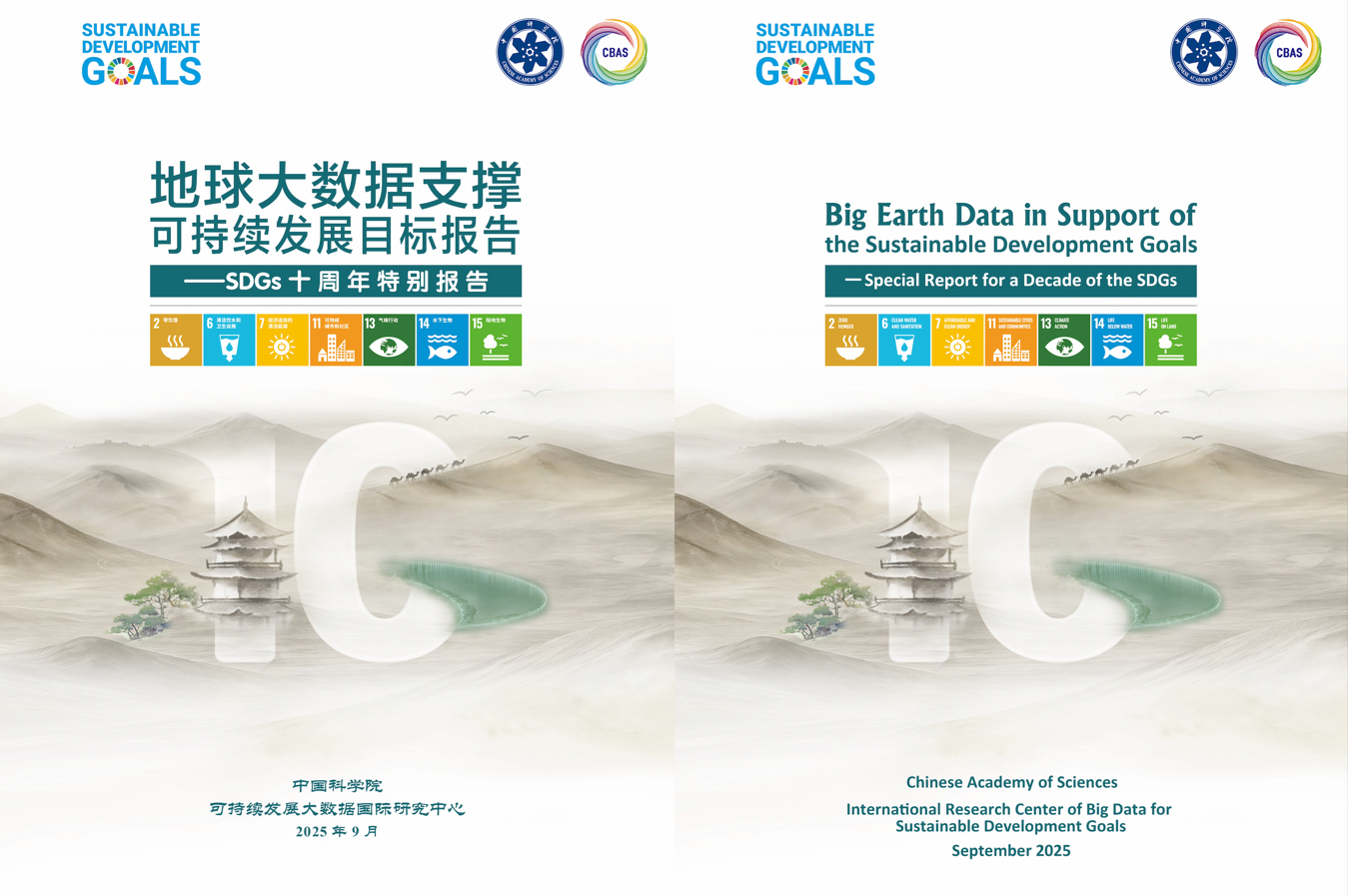 China Achieves Significant Progress on Sustainable Development Goals: 60% of Indicators Close to or Meet 2030 Targets
China has made remarkable strides toward the Sustainable Development Goals (SDGs), with 60.5 percent of its 233 tracked indicators either on track or already achieved, according to the Big Earth Data in Support of the Sustainable Development Goals: Special Report for a Decade of the SDGs ("the Report"), released on the UN website on September 27, 2025. In contrast, global progress remains uneven, with only 16.9 percent of 59 monitored indicators on track to meet 2030 targets, 27 advancing slowly, five stalled, and 17 regressing.
28 Sep 2025 -
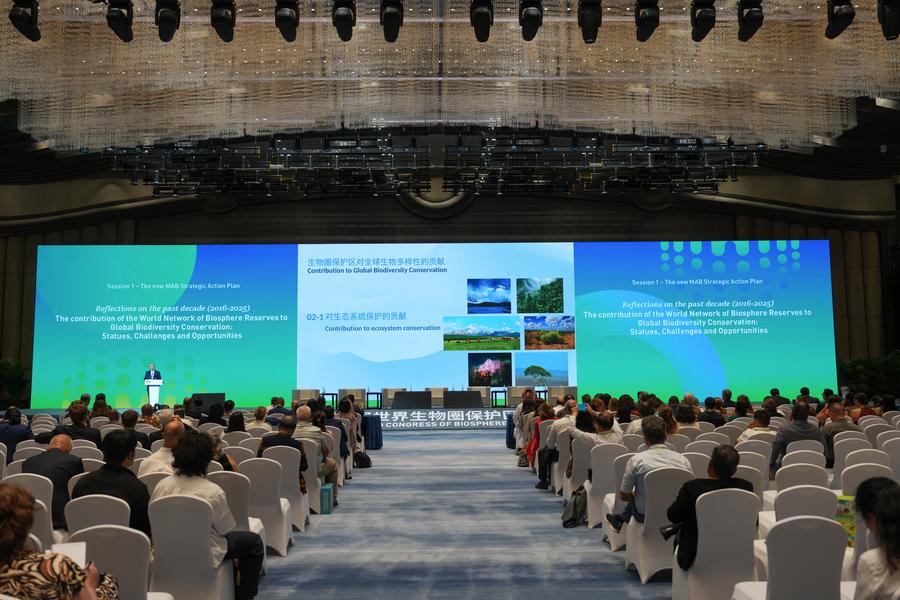 Xinhua Headlines: China's Ecological Push in Focus as UNESCO Biosphere Program Outlines Future Roadmap
HANGZHOU, Sept. 25 (Xinhua) -- Two landmark outcome documents were adopted at the 5th World Congress of Biosphere Reserves, charting the course for the UNESCO Man and the Biosphere (MAB) Programme over the next decade.
26 Sep 2025 -
Global Experts Discuss Pathways to Biosphere Reserve Conservation, Sustainable Development
HANGZHOU, Sept. 23 (Xinhua) -- Some 4,000 delegates from over 150 countries and regions gathered in Hangzhou, capital of east China's Zhejiang Province, for the 5th World Congress of Biosphere Reserves and discussed ways to protect biosphere reserves and achieve sustainable development.
24 Sep 2025 -
 Researchers Accurately Monitor Urban On-Road Carbon Emissions based Panoptic-AI Technique
BEIJING, Sept. 14 (Xinhua) -- Chinese researchers have developed a hybrid framework to trace sources and change of on-road carbon dioxide emissions in real time with 30-meter resolution, according to a research article recently published in the journal Sustainable Cities and Society.
14 Sep 2025

