


Newsroom
-
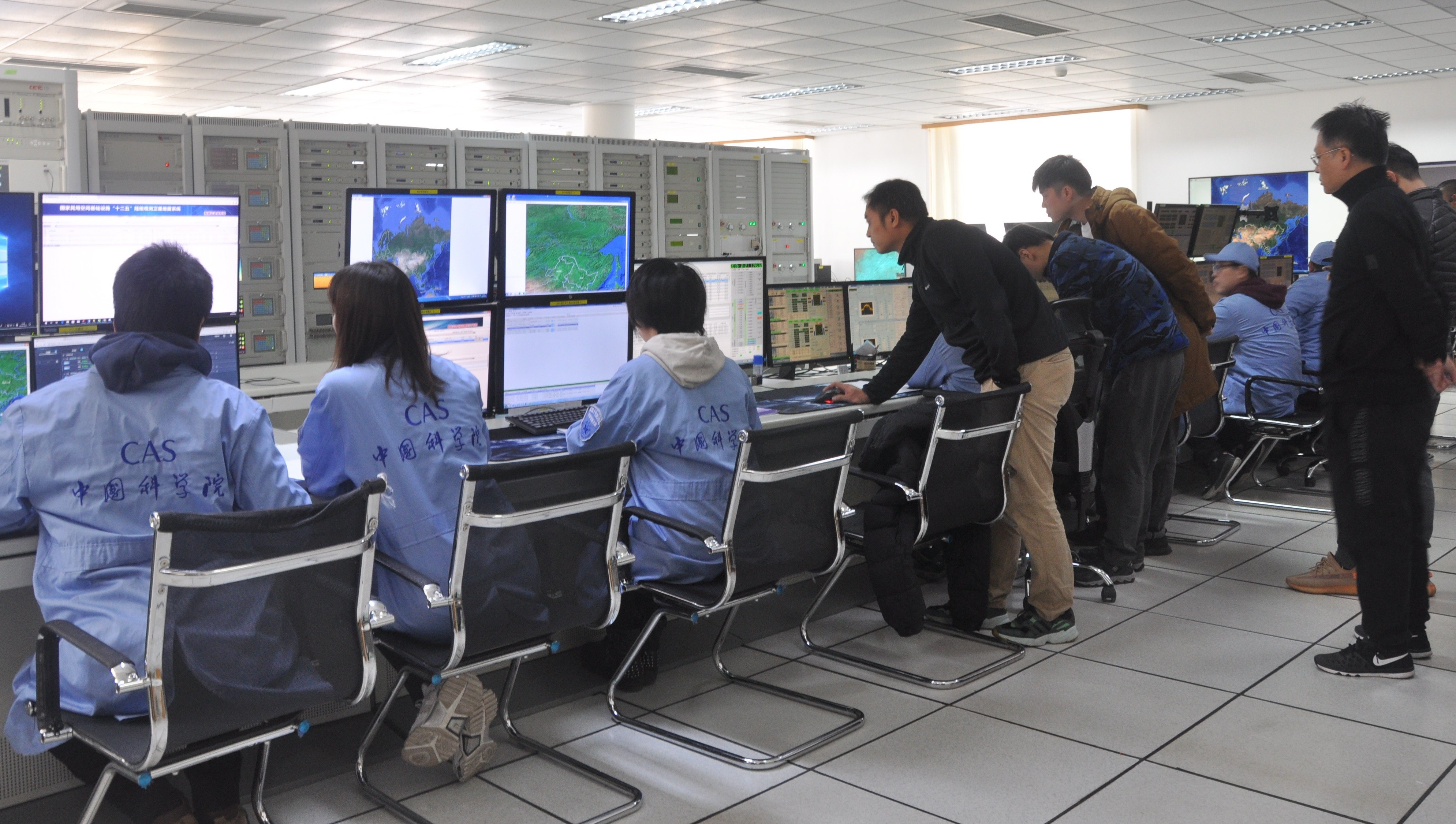 China Remote Sensing Satellite Ground Station Confirms Data Reception from New China-Brazil Satellite
At 11:43 on December 21, the Miyun Station of the China Remote Sensing Satellite Ground Station (RSGS), a mega research facility housed by the Aerospace Information Research Institute (AIR) successfully tracked and well received the downlink data from the newly launched China-Brazil Earth Resource Satellite (CBERS)-04A.
23 Dec 2019 -
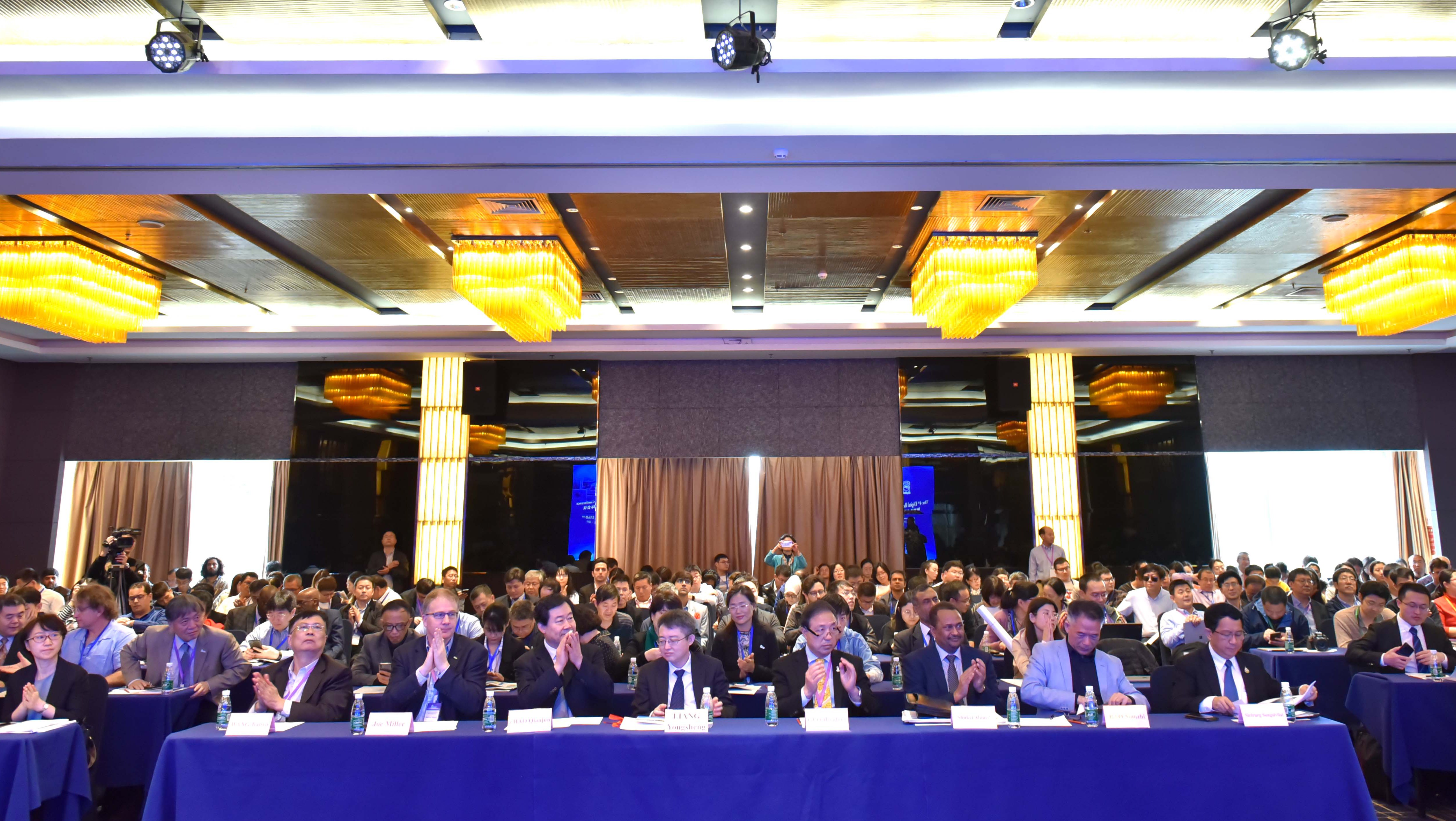 4th Digital Belt and Road Conference Held in Shenzhen
The 4th Digital Belt and Road Conference, hosted by the “Digital Belt and Road” (DBAR) Program, co-hosted by Big Earth Data Science Engineering Project (CASEarth) and organized by CAS Shenzhen Institutes of Advanced Technology, convened in Shenzhen on December 17, 2019. The conference, themed “Digital Belt and Road Facilitates Sustainable Development”, aimed to promote communication and cooperation between experts and scholars from all around the world on the issues related to selection and demonstration of Sustainable Development Goals (SDGs) most relevant to “Belt and Road” region , mechanisms to aggregate and share Big Earth Data within the “Belt and Road” countries, enhance the capability of scientific discovery and decision-making related to Big Earth Data, and promotion of the sustainable development process by using Big Earth Data.
18 Dec 2019 -
 Prof. ZHANG Bing Elevated to IEEE Fellow
According to a recent announcement released by the Institute of Electrical and Electronics Engineers (IEEE), a total of 282 people across the world have been elevated to IEEE Fellow for the Class of 2020. Prof. ZHANG Bing from the Aerospace Information Research Institute (AIR) under the Chinese Academy of Sciences (CAS) has been elected as a Fellow for his contributions to the research of hyperspectral image acquisition and processing.
02 Dec 2019 -
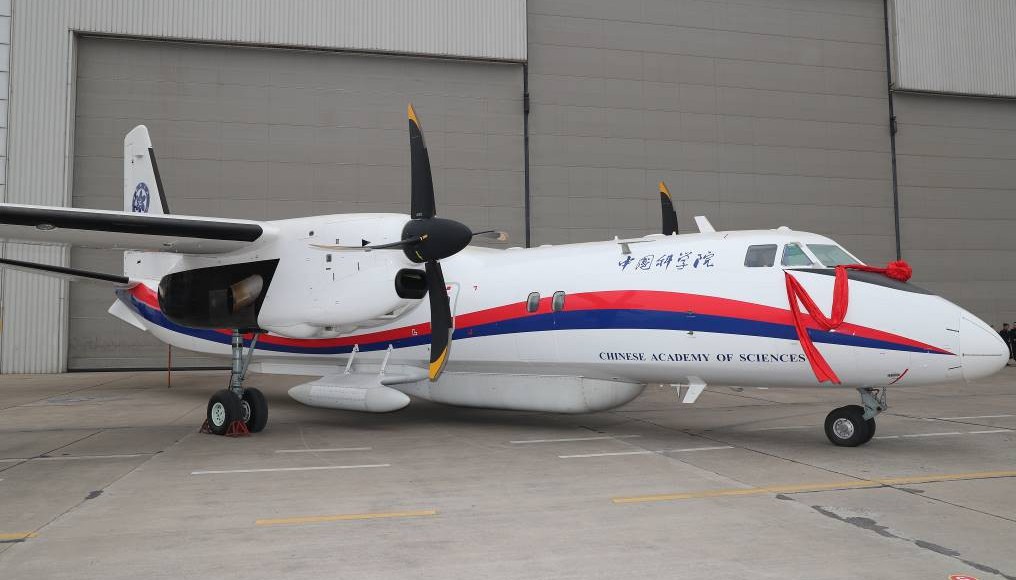 China-made Detecting Aircraft for Remote Sensing Delivered
XI'AN, Nov. 27 (Xinhua) -- China's aircraft maker Xi'an Aircraft Industry Co. (XAC) has delivered two high-performance Xinzhou-60 aircraft for remote sensing to the Chinese Academy of Sciences (CAS) for aerial observation missions.
28 Nov 2019 -
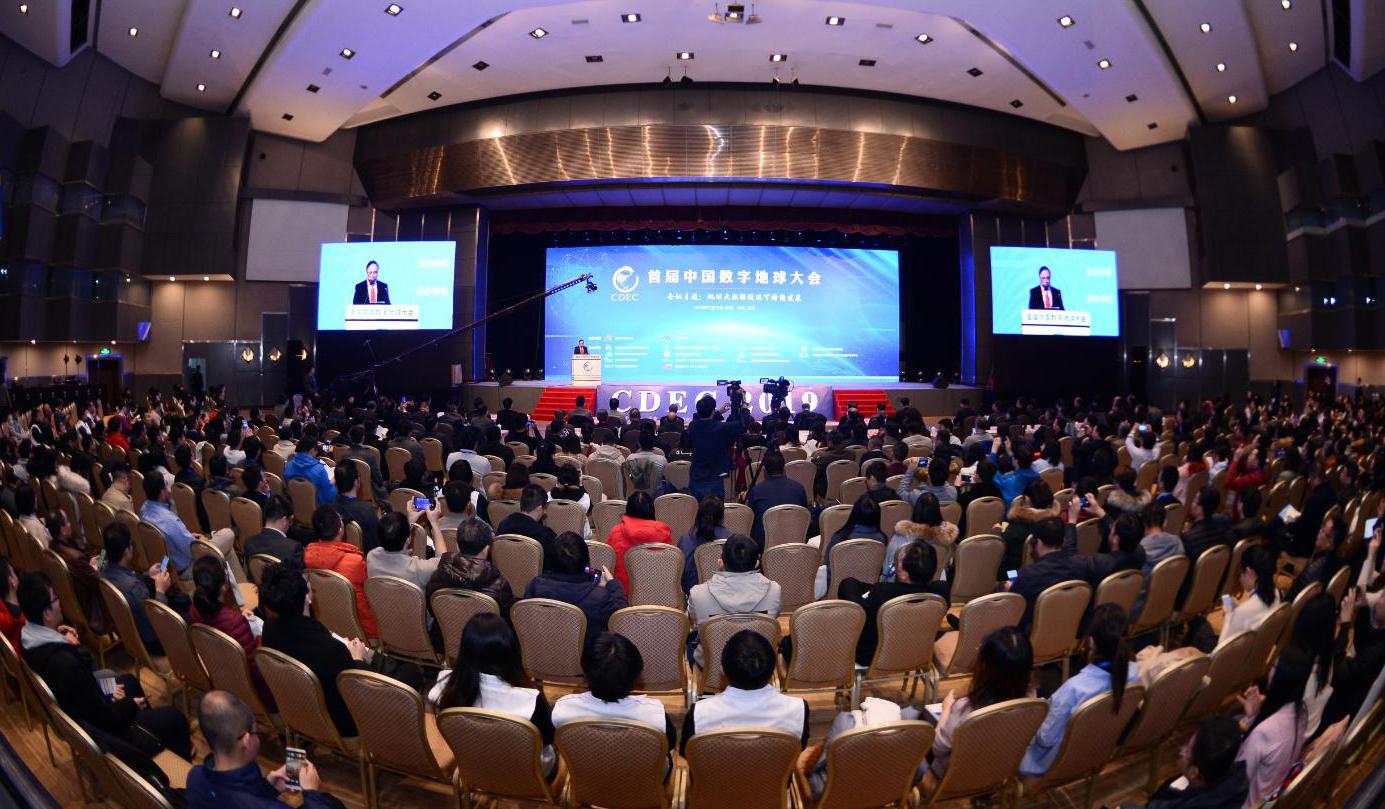 First China Digital Earth Conference Held in Beijing
On November 18, the first China Digital Earth Conference (CDEC), hosted by the International Society for Digital Earth (ISDE) and the Chinese Academy of Sciences (CAS), opened in Beijing. More than 800 participants from governmental departments, research institutes and universities, enterprises, attended the conference.
28 Nov 2019 -
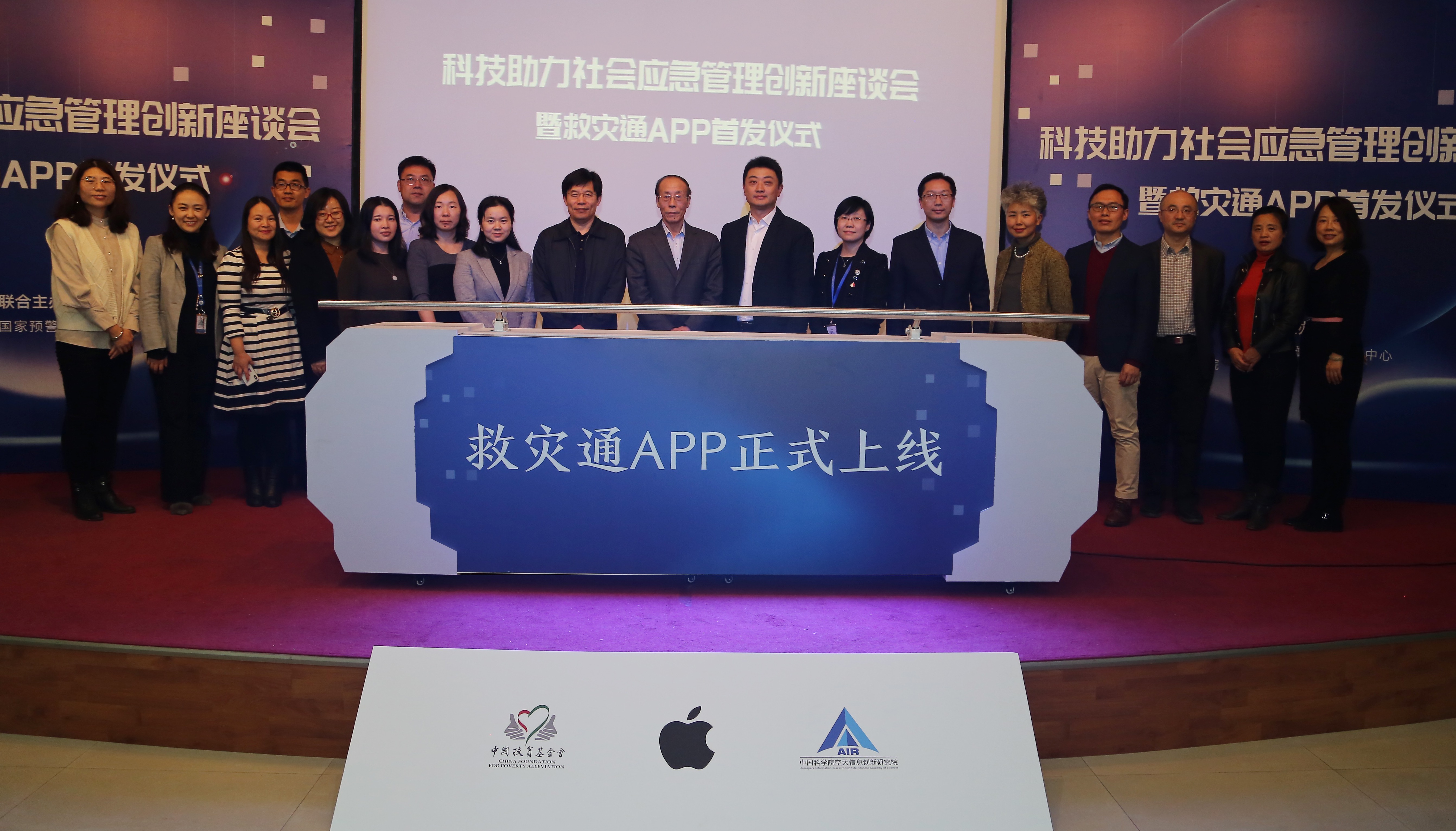 China Launches Disaster Relief Mobile App
BEIJING, Nov. 23 (Xinhua) -- A mobile application for disaster relief has been launched in China to enhance its capacity for disaster prevention, mitigation and relief with the help of satellite technology, the China Foundation for Poverty Alleviation said Saturday.
25 Nov 2019

